


What Are Trifocal Implants in Cataract Surgery?

MBBS (S'pore), MRCSEd (Ophth, UK), MMed (Ophth, S'pore), FRCSEd (Ophth, UK), FAMS (Ophth, S'pore)
If you find yourself constantly switching between glasses for different tasks or squinting as you move from your phone to a computer screen, you are not alone. These everyday frustrations often become more noticeable when cataracts are diagnosed, prompting many to wonder whether surgery can offer more than clearer vision alone.
This is where trifocal implants often enter the conversation, particularly for those hoping to see comfortably at near, intermediate and distance without relying on multiple pairs of glasses. In this article, we explore what trifocal implants are, how they work and whether they may be a suitable option for your lifestyle and visual needs.
Understanding Trifocal Implant Lenses
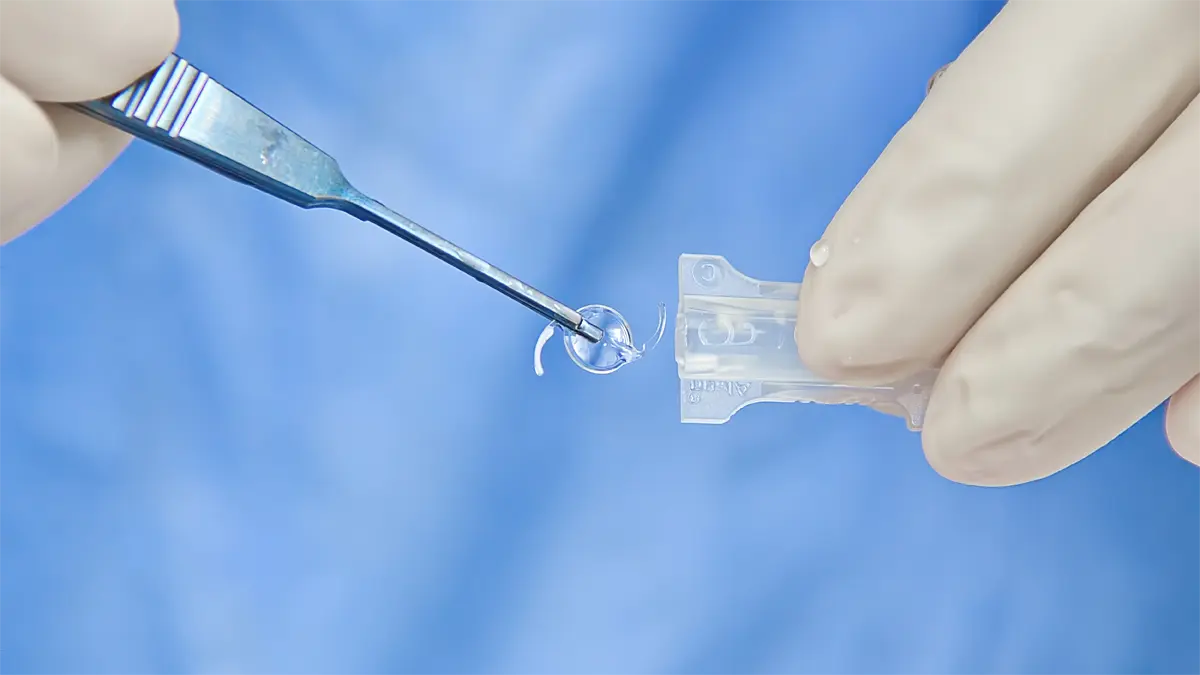
A trifocal implant lens is an artificial lens placed inside the eye during cataract surgery to replace the natural lens. Unlike a healthy younger lens, which can change shape to focus at different distances, an implant lens is fixed. Trifocal lenses address this by incorporating multiple optical zones, each designed to support vision at a specific range.
What Vision Distances Are Supported?
Trifocal implants are designed to support three main vision ranges, each playing a distinct role in daily life. Understanding how these distances apply to your routine can help clarify whether this lens option aligns with your needs.
Near Vision
Near vision refers to tasks performed at close range, usually within 30 to 40 cm. In Singapore, near vision is frequently used for reading books and newspapers, checking mobile phones, sending messages, reading menus, and managing personal documents.
Trifocal implants include a near focal point intended to support these activities. However, comfort at near distances can vary depending on lighting conditions and individual visual sensitivity. Some people may still prefer brighter lighting when reading small print, especially in dim environments.
Intermediate Vision
Intermediate vision generally covers distances of around 50 to 80 cm. This range is particularly relevant in modern work and home environments in Singapore, where prolonged computer use is common. Tasks such as working on a desktop or laptop, attending virtual meetings, cooking or viewing a car dashboard fall within this category.
The intermediate focal point in a trifocal implant is intended to support these mid-range tasks without the need to constantly adjust posture or rely on spectacles. This can be especially useful for both working professionals and retirees who spend extended periods using digital devices.
Distance Vision
Distance vision refers to seeing clearly beyond several metres. This includes watching television, recognising faces from afar and navigating outdoor environments such as streets, shopping centres and public transport stations.
Distance vision is particularly important for people who drive, cycle or commute regularly. Trifocal implants include a distance focal point to support these activities, although some individuals may notice visual effects such as halos around lights, especially at night. These effects vary between individuals and often become less noticeable with time.
Is Trifocal Implant Suitable for Everyone?
Trifocal implant cataracts are not suitable for everyone undergoing cataract surgery. Suitability depends on eye health, the presence of other eye conditions and individual visual expectations.
People with glaucoma, macular disease or corneal irregularities may not be ideal candidates, as these conditions can affect how light is processed and how well multifocal lenses perform. Those who drive frequently at night or are particularly sensitive to visual disturbances may also wish to consider alternative lens options.
Side Effects or Complications of Trifocal Implants
As with any implant lens used in cataract surgery, trifocal implants may be associated with certain visual effects. These experiences differ from person to person and are influenced by eye health, lighting conditions and daily visual demands.
Commonly discussed effects include:
- Glare or halos around lights, which may be more noticeable at night or in low-light settings
- Reduced contrast sensitivity in some situations, making subtle differences between shades harder to detect
An adaptation period is also expected. During this time, the brain gradually learns to process visual input from multiple focal points. Vision may feel unfamiliar or inconsistent at first before becoming more stable. For many patients, these effects ease over weeks to months, though experiences vary.
Why Professional Guidance Matters
Choosing an implant lens should never be a one-size-fits-all decision. A thorough assessment allows your ophthalmologist to evaluate eye health, identify risk factors and understand how your daily habits may influence lens performance. This is particularly important for individuals with glaucoma or those at higher risk of developing it, as certain lens designs may not be suitable in the presence of optic nerve damage or visual field changes.
Making Sense of Trifocal Implants with Dr Leo Seo Wei
If you are considering trifocal implants or weighing your options before cataract surgery, a personalised consultation can provide clarity and reassurance. At our cataract clinic, care is led by Senior Consultant Ophthalmologist Dr Leo Seo Wei, with a focus on careful assessment, clear explanations and guidance tailored to your visual needs.
Schedule a consultation to gain clarity and reassurance as you take the next step towards clearer vision.
Our Singapore Cataract Surgeon

Dr Leo Seo Wei
Senior Consultant Ophthalmologist
Dr Leo Seo Wei is a Senior Consultant Ophthalmologist in Singapore with over 20 years of experience in cataract treatment. Her career spans extensive practice and specialised training in Singapore and the United States, where she received numerous awards and valuable stints in ophthalmology.
Well recognised for her expertise in cataract, strabismus, myopia control and paediatric ophthalmology, Dr Leo has been invited to teach, speak and conduct live surgical demonstrations at international conferences and masterclasses across Asia-Pacific, Europe and the USA. She has also published numerous peer-reviewed articles, reflecting her commitment to advancing ophthalmic care and sharing knowledge worldwide.


#10-04 Mount Elizabeth Medical Centre, 3 Mount Elizabeth, Singapore 228510
Tel : +65 6737 8366
Emergency hotline: +65 9668 2229
Email : info@drleoeyespecialist.com


WhatsApp for quick reply