


What Happens During Cataract Surgery?

MBBS (S'pore), MRCSEd (Ophth, UK), MMed (Ophth, S'pore), FRCSEd (Ophth, UK), FAMS (Ophth, S'pore)
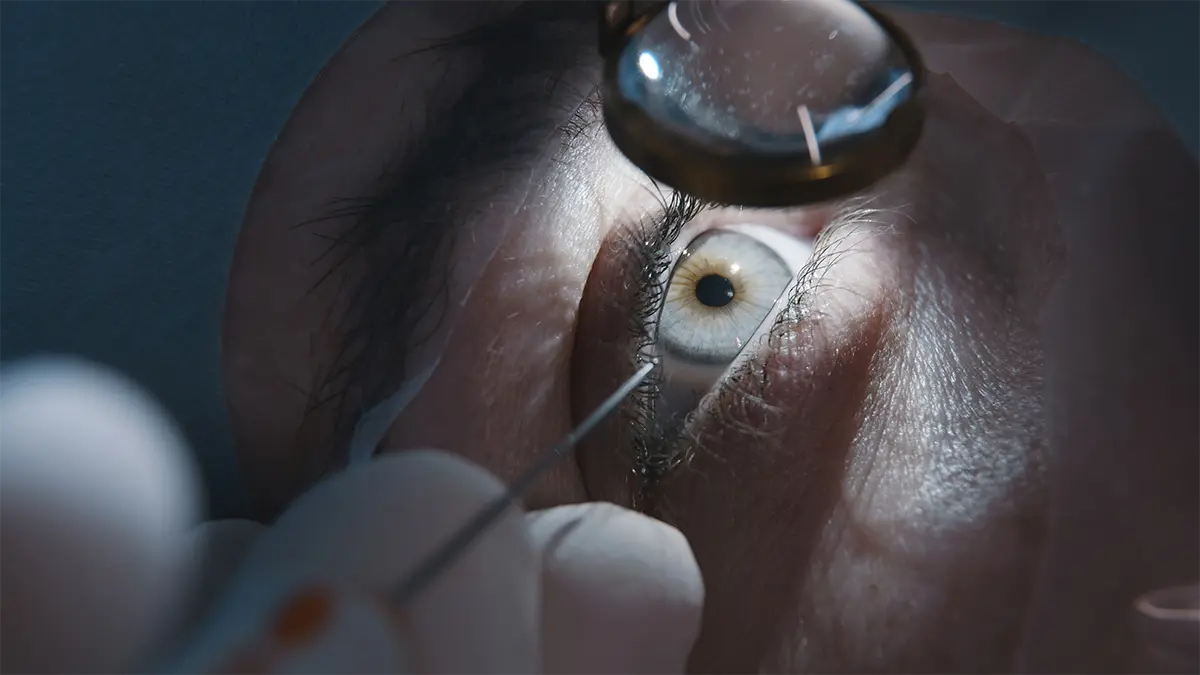
Have you ever found yourself blinking a little longer to bring things into focus or feeling frustrated as everyday tasks begin to strain your eyes? These subtle changes can be early signs of cataracts, quietly turning simple activities such as reading subtitles, driving after dusk or recognising faces from a distance into growing challenges. When cataracts enter the picture, it is natural to feel unsure about what comes next and uneasy at the thought of eye surgery. Understanding what happens during cataract surgery can help ease those concerns and replace uncertainty with clarity and reassurance.
Preparing for the Surgery
Thoughtful preparation lays the groundwork for a smooth cataract surgery experience. Before anything is scheduled, your eye specialist will take time to assess whether surgery is suitable and to tailor the procedure to your individual eyes. These preoperative steps are essential for both safety and visual outcomes.
Eye Evaluation
A detailed eye examination is carried out to determine how much the cataract is affecting your sight and to evaluate the overall health of your eyes. This assessment often includes checking visual acuity, examining the retina and optic nerve and screening for other conditions such as glaucoma or macular disease. Identifying existing issues early allows your surgeon to plan the procedure carefully and anticipate your postoperative needs.
Lens Selection
During this stage, precise measurements of your eye are taken to calculate the most suitable intraocular lens power. Your eye specialist will talk you through the available lens options and explain how each may affect your vision for daily activities such as reading or driving. This discussion focuses on setting realistic expectations so you can make a decision that aligns with your lifestyle and visual priorities.
Pre-surgery Instruction
As the surgery date approaches, you will be given clear guidance on how to prepare. This typically includes fasting requirements, advice on managing your usual medications and instructions on using prescribed eye drops beforehand. You may also be asked to stop wearing contact lenses for a short period. With cataract surgery usually performed as a day procedure, planning transport home in advance helps ensure everything runs smoothly on the day itself.
What Happens During Cataract Surgery?
Cataract surgery is commonly performed on an outpatient basis and usually takes less than 30 minutes for one eye. Although you will remain awake throughout, the procedure is designed to be as comfortable and straightforward as possible.
Numbing the Eye
Before the surgery begins, your eye is numbed using anaesthetic eye drops or a local injection. This prevents pain during the procedure. Some patients are also given mild sedation to help them relax. While you may notice light or gentle pressure, discomfort is not expected.
Creating an Incision
Your surgeon makes a very small opening at the front of the eye to access the cloudy lens. This incision is carefully designed to be self-sealing, which means stitches are rarely needed and healing can begin quickly.
Breaking Up the Lens
Using ultrasound energy, the cloudy natural lens is broken into tiny fragments. These are then gently removed from the eye. Clearing the lens in this way creates space for the new artificial lens and restores a clear pathway for light to enter the eye.
Insertion of Intraocular Lens (IOL)
Once the cataract has been removed, a clear artificial lens is inserted. The lens is folded so it can pass through the small incision before unfolding and settling securely into position. This intraocular lens remains in the eye permanently and does not require ongoing maintenance.
Recovery Area
After the procedure, you will rest in a recovery area for a short time while your eye is monitored. A protective shield may be placed over the eye to prevent accidental rubbing. Once you are stable and comfortable, you will be allowed to return home on the same day.
What to Expect After the Procedure
It is common for vision to feel blurry immediately after cataract surgery, as the eye needs time to settle. Over the following days, clarity usually improves as healing progresses, though you may notice mild irritation, sensitivity to light or a gritty sensation during this early recovery period.
To support this healing process, you will be prescribed eye drops to reduce inflammation and help prevent infection, and it is important to use them exactly as directed. Most people can return to light daily activities within a day, while more strenuous exercise, swimming and rubbing the eye should be avoided for a short time to allow the eye to recover properly.
Is Cataract Surgery Safe?
Cataract surgery is widely regarded as a safe and effective procedure when performed by an experienced eye specialist. It is usually quick and carried out under local anaesthesia. As with any surgery, there are risks, but serious complications are uncommon when patients follow medical advice closely before and after the procedure.
Cataract Surgery Care Led by Dr Leo Seo Wei
If changes in your vision are starting to affect your independence or quality of life, seeking professional advice is a sensible next step. An eye specialist can evaluate your condition, explain your treatment options and guide you towards a decision that feels right for you.
At our cataract surgery clinic, care is led by Senior Consultant Ophthalmologist, Dr Leo Seo Wei, who brings extensive experience and a patient-centred approach to every consultation. Schedule a consultation to explore your options today.
Our Singapore Cataract Surgeon

Dr Leo Seo Wei
Senior Consultant Ophthalmologist
Dr Leo Seo Wei is a Senior Consultant Ophthalmologist in Singapore with over 20 years of experience in cataract treatment. Her career spans extensive practice and specialised training in Singapore and the United States, where she received numerous awards and valuable stints in ophthalmology.
Well recognised for her expertise in cataract, strabismus, myopia control and paediatric ophthalmology, Dr Leo has been invited to teach, speak and conduct live surgical demonstrations at international conferences and masterclasses across Asia-Pacific, Europe and the USA. She has also published numerous peer-reviewed articles, reflecting her commitment to advancing ophthalmic care and sharing knowledge worldwide.


#10-04 Mount Elizabeth Medical Centre, 3 Mount Elizabeth, Singapore 228510
Tel : +65 6737 8366
Emergency hotline: +65 9668 2229
Email : info@drleoeyespecialist.com


WhatsApp for quick reply