


Understanding Cataract

MBBS (S'pore), MRCSEd (Ophth, UK), MMed (Ophth, S'pore), FRCSEd (Ophth, UK), FAMS (Ophth, S'pore)
Understanding Cataracts
Do you know that while cataract is the leading cause of blindness globally, it is one of the safest eye procedures performed with lasting results? Most individuals aged 40 and above have an increased risk of being affected by this condition. In Singapore, reports show that cataract affects
of the population above 70 years of age
of those aged 60 and above
of those aged 45 and above
Conventional cataract surgery is one of the most common surgeries in the world. It is recognized as being safe and effective. Bladeless cataract surgery on the other hand provides some advantages for a certain group of patients. So how do you decide which type of cataract surgery to have? Here are some things you should understand about both kinds of cataract surgery. Talk with your ophthalmologist about which is best for you. Feel free to get another eye surgeon’s opinion as well.
What Is A Cataract?
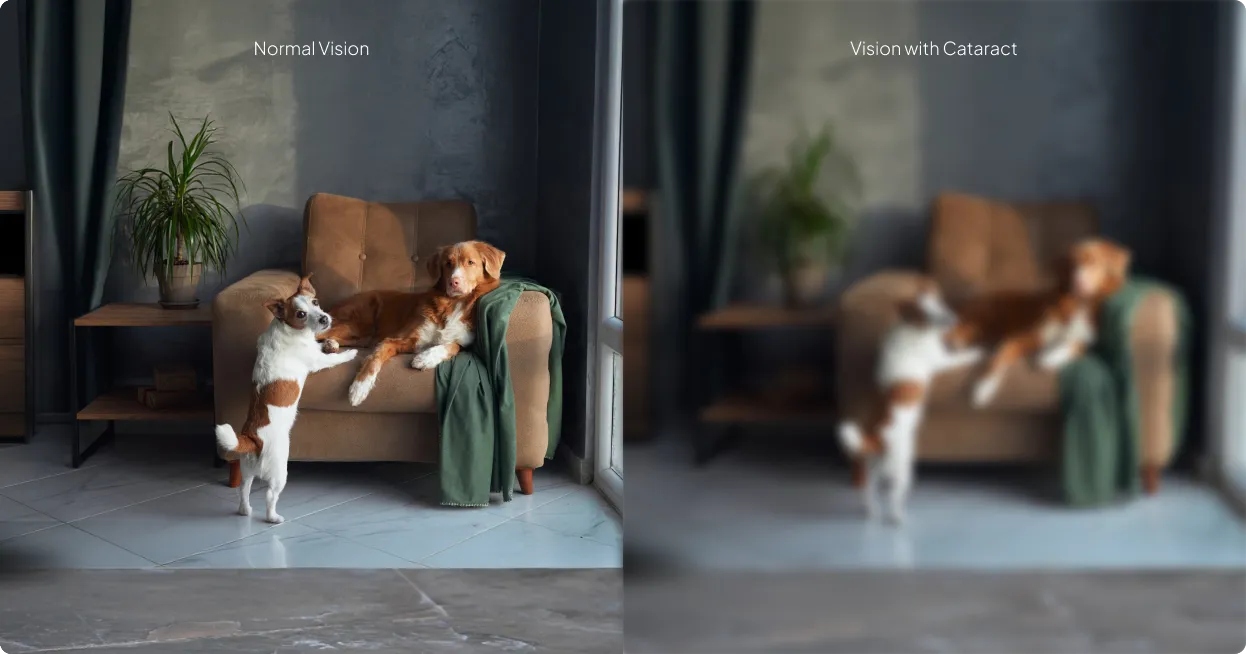
A cataract is a clouding of the normally transparent lens within the eye. It is not a growth or a film that can be peeled off. Located inside the eye, cataracts cannot be seen without a special microscope. Thus, they do not change the appearance of the eye; they do not cause discomfort. Changes may be so gradual that you are not aware of a cataract's effect at first.

What Causes Blurred Vision?
Just as fingerprints on a camera lens cause blurred pictures regardless of our efforts to focus, a cloudy lens within the eye causes blurred vision. When the human lens becomes cloudy or hazy enough to interfere with vision, it is called a cataract. Changing glasses (focus) will not help the blur that is caused by a cataract.
What Causes Cataracts?
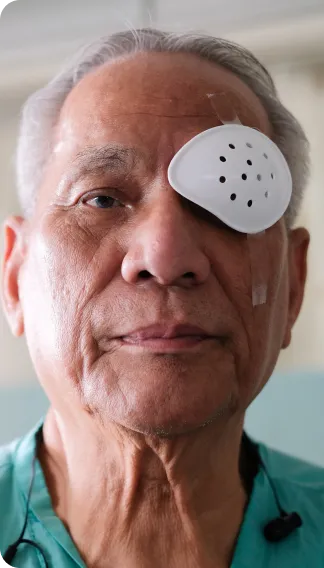
Some cataracts are caused by birth defects, injuries, diabetes, or prolonged use of certain medications, such as steroids. Highly nearsighted patients may develop cataracts at a young age. However, most cataracts result simply from the natural aging process of the human lens. Like grey hair, cataracts do not occur at the same age or rate in everyone.
Symptoms of Cataract

Blurred Vision
Blurring of vision is the commonest symptom of cataracts which gets worse with time as less light reaches the retina.

Glare
It can be difficult for a person with cataracts to see in bright sunlight. Indoor lights may begin to seem too bright, or they may appear to have haloes around them.
Colour Changes
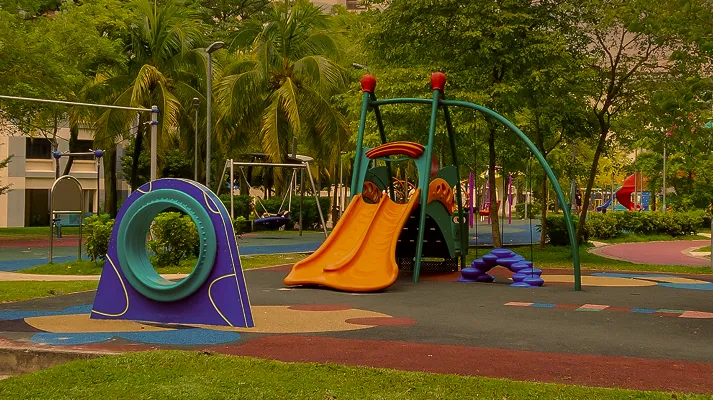
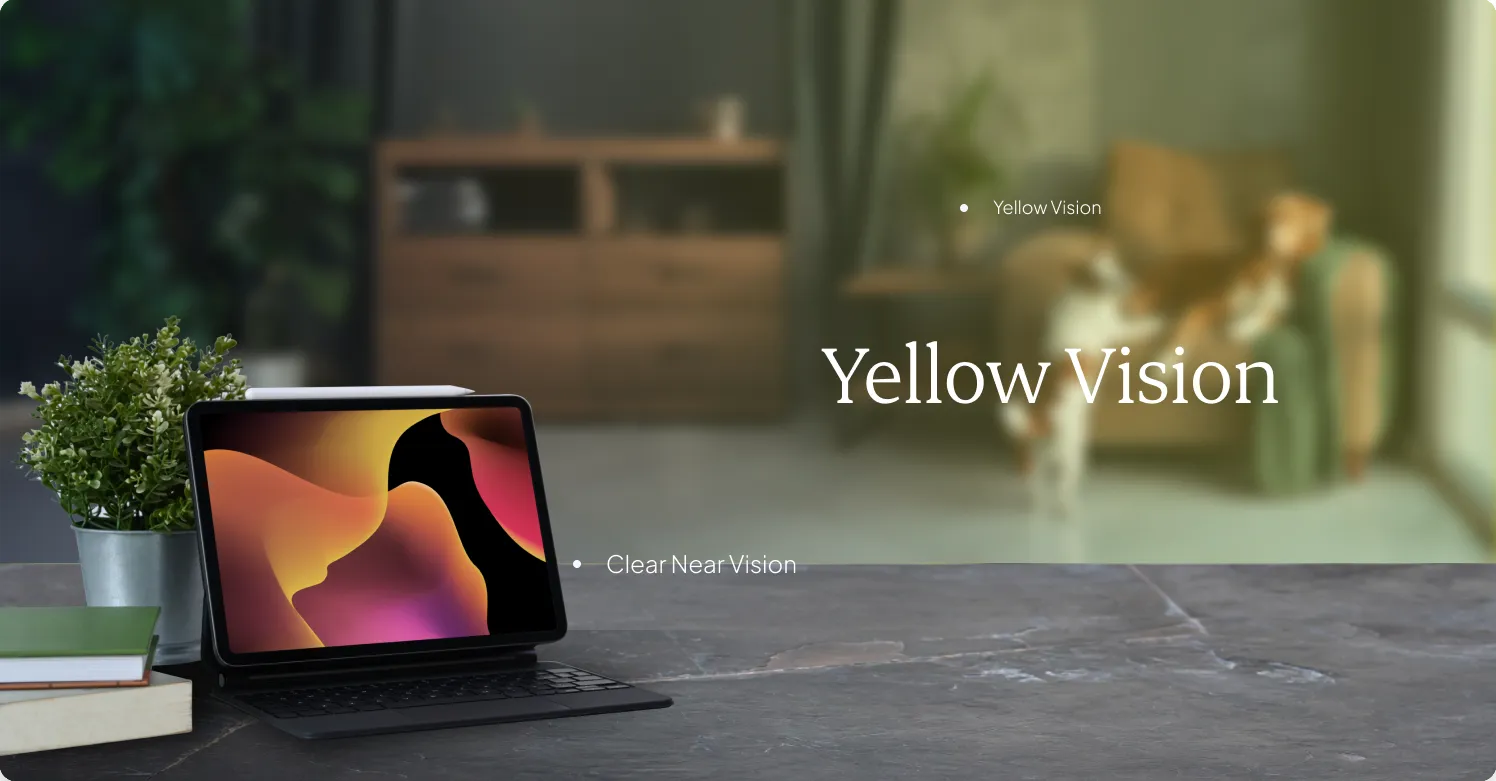
Cataracts also affects Colour vision; some colours may appear faded and objects may acquire a brownish or yellowish tint.

Double Vision
Cataracts may result in patients seeing double images.


Dull Vision



When Should Cataracts Be Removed
The decision to have cataracts removed is elective. Because cataracts do not harm other parts of the eye, nothing needs to be done if you are not significantly bothered by symptoms. However, as activities such as driving and reading become increasingly affected by cataracts, surgery becomes a logical option to consider.
With the success of the modern implant, waiting for cataracts to “ripen” is no longer necessary. Since cataracts will not improve and will eventually worsen, there is no advantage in delaying treatment if vision is sufficiently affected and the prognosis of surgery is good. You are never “too old” to have cataract surgery, just as you are never “too old” to enjoy better vision.
3 Simple Steps To Check For Cataract
VisualAcuity Test
You will be asked to read letters on a vision chart to ascertain your vision.
Subjective Refraction Assessment
An assessment of your glasses prescription is done
Slit Lamp & Dilated Eye Examination
Your pupils are first dilated and examined thereafter by your ophthalmologist in order to best plan your cataract treatment
Enhanced Precision with ZEISS CIRRUS PathFinder
Dr Leo also offers the ZEISS CIRRUS PathFinder™ for cataract evaluations. This AI-guided imaging tool works with OCT scans to:
 Provide high-resolution images of your retina
- Detect subtle changes that may not show up on a routine exam
- Flag areas that could affect cataract surgery outcomes

However, if left untreated, they can progress and impact your vision.
For an accurate cataract assessment, please call 6737 8366 or fill in the form below.
Our Singapore Cataract Surgeon

Dr Leo Seo Wei
Senior Consultant Ophthalmologist
Dr Leo Seo Wei is a Senior Consultant Ophthalmologist in Singapore with over 20 years of experience in cataract treatment. Her career spans extensive practice and specialised training in Singapore and the United States, where she received numerous awards and valuable stints in ophthalmology.
Well recognised for her expertise in cataract, strabismus, myopia control and paediatric ophthalmology, Dr Leo has been invited to teach, speak and conduct live surgical demonstrations at international conferences and masterclasses across Asia-Pacific, Europe and the USA. She has also published numerous peer-reviewed articles, reflecting her commitment to advancing ophthalmic care and sharing knowledge worldwide.


#10-04 Mount Elizabeth Medical Centre, 3 Mount Elizabeth, Singapore 228510
Tel : +65 6737 8366
Emergency hotline: +65 9668 2229
Email : info@drleoeyespecialist.com


WhatsApp for quick reply