


Choosing Your Intraocular Lens (IOLs) After Cataract Surgery

MBBS (S'pore), MRCSEd (Ophth, UK), MMed (Ophth, S'pore), FRCSEd (Ophth, UK), FAMS (Ophth, S'pore)
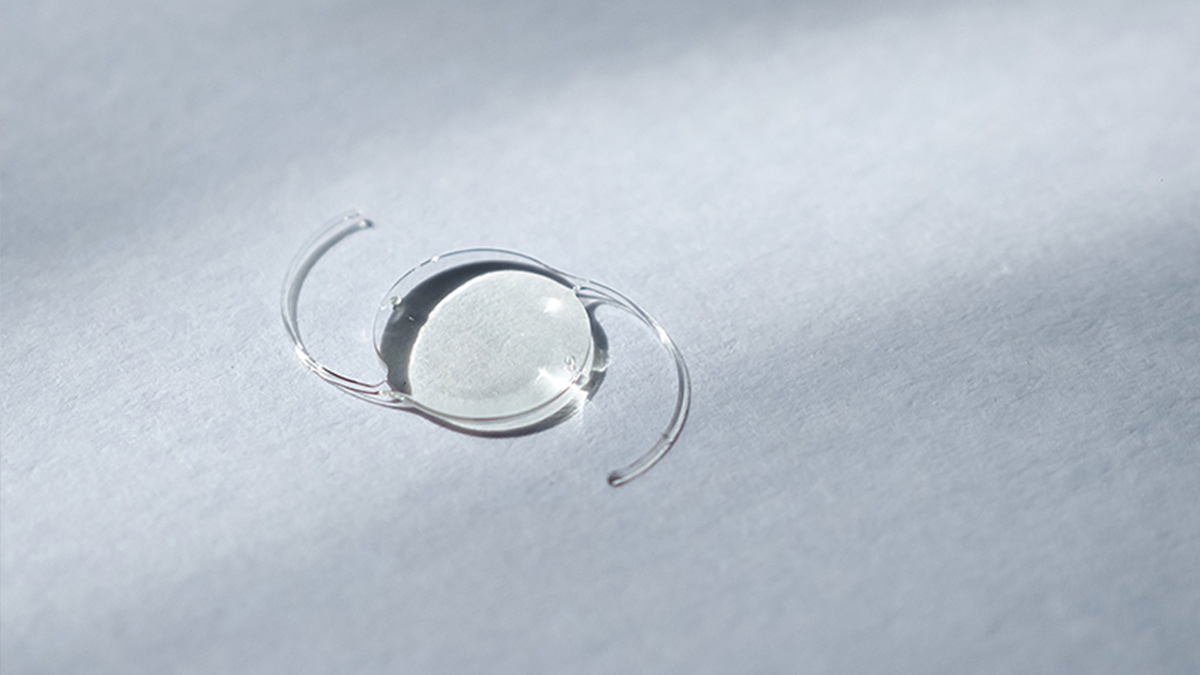
If you are preparing for cataract surgery, you may already know that the cloudy natural lens in your eye will be replaced with an artificial intraocular lens (IOL). What many people do not realise is that the lens you choose can shape how you see long after the surgery is over. Some IOLs are designed for sharp distance vision, while others can help reduce the need for glasses when reading or using digital devices. With several options available today, it is worth taking the time to understand how each lens works, what it is designed for, and which one best fits the way you live your daily life.
Monofocal IOLs: Clear Vision at One Distance
Monofocal intraocular lenses (IOLs) are the most commonly used lenses in cataract surgery. They are designed to provide clear vision at one fixed distance, usually for far vision. This means many patients can see well for daily activities such as driving or watching television after surgery, but may still need glasses for reading or close-up tasks.
Sharp and Reliable Vision
Monofocal lenses are known for providing crisp, stable vision with fewer visual disturbances such as glare or halos at night. Because of their long track record and predictable results, they remain a popular choice for many patients.
You May Still Need Reading Glasses
Since monofocal lenses only focus at one distance, most patients will still require reading glasses after surgery. Some may also need glasses for intermediate tasks such as computer use, depending on their visual needs and lens settings.
Trifocal Lenses: A Complete Range of Focus
Trifocal intraocular lenses (IOLs) are designed to provide clear vision across multiple distances, including near, intermediate, and far vision. This allows many patients to perform daily activities such as reading, using a computer, and driving with reduced dependence on glasses after cataract surgery.
Greater Freedom From Glasses
One of the main advantages of trifocal lenses is convenience. Patients who lead active lifestyles or prefer not to switch between different pairs of glasses may find trifocal IOLs appealing. Many are able to carry out most day-to-day tasks without needing spectacles.
Things to Consider
Because trifocal lenses split light into different focal points, some patients may notice visual effects such as glare, halos, or reduced contrast sensitivity, especially at night. While many people adapt well over time, these lenses may not be suitable for everyone.
Extended Depth of Focus (EDOF) IOLs: Clarity and Range
Extended depth of focus (EDOF) intraocular lenses are designed to create a continuous range of vision, particularly for distance and intermediate tasks such as driving, using a computer, or viewing objects at arm's length. Some patients may also find they are less dependent on glasses for certain near activities.
Reduced Visual Disturbances
Compared to trifocal lenses, EDOF lenses generally produce fewer side effects such as glare and halos at night. Many patients appreciate the balance between a wider range of vision and good visual quality, especially in low-light conditions.
Reading Glasses May Still Be Needed
While EDOF lenses can improve vision across more than one distance, most patients may still require reading glasses for small print or prolonged close-up work. They are often suitable for patients who want greater visual range than a monofocal lens, but prefer fewer visual disturbances than multifocal options.
Toric Lenses: Integrated Astigmatism Correction
Toric intraocular lenses (IOLs) are specially designed for patients with astigmatism, a common condition where the cornea has an irregular shape that causes blurred or distorted vision. During cataract surgery, toric lenses can correct both the cataract and the astigmatism at the same time.
Sharper Vision Without Heavy Dependence on Glasses
By correcting astigmatism, toric lenses can provide clearer and sharper vision after surgery compared to standard lenses in patients with significant astigmatism. Depending on the type of toric lens chosen, some patients may also reduce their dependence on glasses for distance vision.
Important Positioning During Surgery
Toric lenses need to be carefully aligned during surgery to achieve the intended visual outcome. Your eye specialist will perform detailed measurements before surgery to determine whether a toric IOL is suitable for your eyes and visual needs.

How to Choose the Best IOLs for You
There is no single "best" intraocular lens for everyone. The most suitable option depends on your lifestyle, visual priorities, and eye health. When deciding on an IOL, consider the following:
- Your daily activities: Do you spend more time driving, reading, using digital devices, or doing close-up work?
- Your preference for glasses: Are you comfortable wearing reading glasses after surgery, or would you prefer greater independence from spectacles?
- Night vision needs: Some premium lenses may cause glare or halos at night, which can affect frequent night drivers.
- Presence of astigmatism: Patients with astigmatism may benefit from toric lens options for sharper vision.
- Existing eye conditions: Certain eye conditions may make some lens types more suitable than others.
Your eye specialist will assess your eyes carefully and discuss your visual expectations before recommending the most appropriate lens option for your needs.
Explore Your IOL Options with Dr Leo Seo Wei
Choosing the right intraocular lens is a definitive decision that shapes how you experience the world for the rest of your life. Whether you prioritise the high-contrast distance vision of monofocal lenses, the seamless transitions of EDOF technology, or the complete spectacle independence offered by trifocal designs, the goal remains the same: a visual outcome tailored specifically to your daily reality.
At Dr Leo Cataract Clinic, we believe that restoring your sight requires a balance of clinical precision and personalised care. Dr Leo Seo Wei and her team are dedicated to guiding you through this selection process, ensuring your chosen lens provides the clarity and comfort you need for years to come.
Take the first step toward optimising your vision. Book an appointment with us today to discuss which intraocular lens is the ideal match for your lifestyle.
Frequently Asked Questions About Intraocular Lenses (IOLs)
Can an IOL be replaced if I am unhappy with the result?
In some cases, an intraocular lens (IOL) can be replaced after cataract surgery, although this is usually considered only when necessary. Many patients need time to adapt to their new vision in the weeks after surgery, especially with premium lenses. If significant visual disturbances or unexpected outcomes persist, your eye specialist may discuss whether further treatment or an IOL exchange is appropriate.
Will I have perfect 20/20 vision after the lens is implanted?
Many patients achieve very good vision after cataract surgery, but results can vary depending on the overall health of the eye and the type of IOL chosen. Conditions affecting the retina, cornea, or optic nerve may influence the final visual outcome. Some patients may still require glasses for certain activities even after surgery.
How long do intraocular lenses typically last?
Intraocular lenses are designed to be permanent implants that remain in the eye for life. Modern IOLs are made from durable materials that do not develop cataracts or usually need replacement over time. Once implanted successfully, the lens typically continues to provide stable vision for many years.
Our Singapore Cataract Surgeon

Dr Leo Seo Wei
Senior Consultant Ophthalmologist
Dr Leo Seo Wei is a Senior Consultant Ophthalmologist in Singapore with over 20 years of experience in cataract treatment. Her career spans extensive practice and specialised training in Singapore and the United States, where she received numerous awards and valuable stints in ophthalmology.
Well recognised for her expertise in cataract, strabismus, myopia control and paediatric ophthalmology, Dr Leo has been invited to teach, speak and conduct live surgical demonstrations at international conferences and masterclasses across Asia-Pacific, Europe and the USA. She has also published numerous peer-reviewed articles, reflecting her commitment to advancing ophthalmic care and sharing knowledge worldwide.


#10-04 Mount Elizabeth Medical Centre, 3 Mount Elizabeth, Singapore 228510
Tel : +65 6737 8366
Emergency hotline: +65 9668 2229
Email : info@drleoeyespecialist.com