


Cataracts: More Than Just an Age-Related Eye Condition

MBBS (S'pore), MRCSEd (Ophth, UK), MMed (Ophth, S'pore), FRCSEd (Ophth, UK), FAMS (Ophth, S'pore)
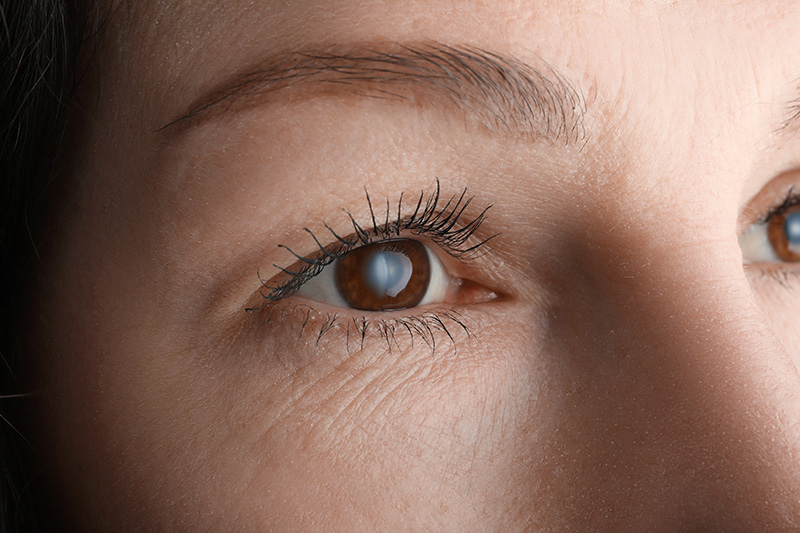
Many people think of cataracts as a condition that only affects older adults. While cataracts are indeed more common with age, they are not exclusively linked to the ageing process. In some cases, younger adults, children, and even newborns can develop cataracts due to a variety of medical, genetic, or environmental factors.
Because cataracts are often associated with seniors, younger individuals experiencing vision changes may not immediately consider them a possible cause. This can lead to uncertainty about whether symptoms warrant further investigation or whether certain risk factors may increase the likelihood of developing cataracts earlier in life.
Understanding what causes cataracts, who may be affected, and when treatment may be necessary can help individuals make informed decisions about their eye health and recognise when it may be appropriate to seek professional advice.
What Causes Cataracts?
A cataract occurs when the eye's natural lens becomes cloudy. The lens is normally clear and helps focus light onto the retina, allowing us to see clearly. When proteins and other structural components within the lens undergo age-related or disease-related changes, the lens gradually loses its transparency.
As a result, vision may become blurred, hazy, or less sharp. Colours may also appear faded, and some people experience increased sensitivity to glare, particularly when driving at night.
Ageing is the most common cause of cataracts. Over time, natural changes occur within the lens, making cataract formation more likely. This is why cataracts are frequently diagnosed in older adults and become increasingly common with advancing age.
However, cataracts can also develop due to other factors, including:
- Eye injuries or trauma
- Certain medical conditions, such as diabetes
- Long-term use of steroid medications
- Previous eye surgery
- Genetic or inherited factors
- Congenital conditions present at birth
In most cases, cataracts develop gradually over months or years rather than appearing suddenly. Because the changes often occur slowly, some individuals may not realise their vision has been affected until daily activities become more challenging.
Can Cataracts Affect Younger People?
Yes. Although cataracts are most commonly associated with older adults, they can affect people of various ages.
Cataracts in Younger Adults
Younger adults may develop cataracts due to underlying health conditions, medication use, eye injuries, or inherited factors. For example, individuals with diabetes may have an increased risk of developing cataracts earlier in life compared to those without the condition.
Certain medications can also contribute to cataract formation. Long-term use of corticosteroids, which may be prescribed to manage conditions such as asthma, severe allergies, autoimmune diseases, or chronic inflammatory conditions, has been associated with an increased risk of cataracts in some individuals.
Eye injuries can be another contributing factor. A cataract may develop shortly after a significant injury or gradually over time following trauma to the eye.
Cataracts in Children
Although less common, children can also develop cataracts. These are known as congenital or childhood cataracts and may be present at birth or develop during early childhood. Childhood cataracts can affect visual development and may require prompt assessment and treatment to support healthy vision.
What Factors Increase the Risk of Cataracts?
Several factors can increase the likelihood of developing cataracts. Some are unavoidable, while others may be influenced by lifestyle choices or medical management.
Common risk factors include:
- Increasing age
- Diabetes and other chronic medical conditions
- Smoking
- Prolonged exposure to ultraviolet (UV) radiation from sunlight
- Long-term steroid medication use
- Previous eye injuries
- Previous eye surgery
- A family history of cataracts
When Should You Seek Treatment for Cataracts?
Not all cataracts require immediate treatment. In the early stages, vision changes may be mild and can sometimes be managed with updated glasses prescriptions, improved lighting, or other adjustments.
However, cataracts tend to progress over time. As the clouding of the lens becomes more significant, vision may become increasingly affected.
You should consider seeing an eye specialist if you experience symptoms such as:
- Blurred or cloudy vision
- Increased sensitivity to light
- Glare or halos around lights
- Difficulty driving at night
- Colours appearing faded or yellowed
- Frequent changes in your glasses prescription
- Vision problems that interfere with reading, work, driving, or other daily activities
When cataracts begin to significantly affect daily activities or quality of life, cataract surgery may be recommended. The procedure involves removing the clouded natural lens and replacing it with an artificial intraocular lens (IOL) to help restore clearer vision.
In general, treatment is considered when cataracts begin to interfere with daily activities, affect quality of life, or make it difficult to perform tasks that require clear vision.
Cataract Care with Dr Leo Seo Wei
While cataracts are most commonly associated with ageing, they are not exclusively an age-related condition. Cataracts can affect younger adults, children, and even infants, depending on various medical, genetic, and environmental factors. Understanding the causes, risk factors, and symptoms of cataracts can help you recognise potential vision changes and seek timely care when needed.
At our cataract clinic in Singapore, Senior Consultant Ophthalmologist, Dr Leo Seo Wei provides comprehensive cataract care, from diagnosis and monitoring to treatment planning, with a focus on each patient's individual visual needs and lifestyle goals.
If you are experiencing persistent changes in your vision or have concerns about cataracts, schedule a consultation with our team for a comprehensive assessment and personalised treatment recommendations today.
Frequently Asked Questions About Risk Factors of Cataracts
Are cataracts a normal part of ageing?
Cataracts are a common age-related eye condition, but they are not an inevitable part of ageing. Not everyone develops cataracts, and they can also occur due to factors unrelated to age.
Are cataracts hereditary?
Some cataracts may have a genetic component. Having a family history of cataracts does not mean you will definitely develop them, but it may increase your risk. Certain inherited conditions can also contribute to cataract development at a younger age.
Does having diabetes increase the risk of cataracts?
Yes. People with diabetes have a higher risk of developing cataracts and may develop them at a younger age than those without diabetes. Maintaining good blood sugar control may help reduce the risk of diabetes-related eye complications.
Can cataracts be prevented?
Not all cataracts can be prevented, particularly those related to ageing, genetics, or congenital conditions. However, managing chronic medical conditions such as diabetes, avoiding smoking, protecting your eyes from UV exposure, and attending regular eye examinations may help reduce your overall risk and support long-term eye health.
Our Singapore Cataract Surgeon

Dr Leo Seo Wei
Senior Consultant Ophthalmologist
Dr Leo Seo Wei is a Senior Consultant Ophthalmologist in Singapore with over 20 years of experience in cataract treatment. Her career spans extensive practice and specialised training in Singapore and the United States, where she received numerous awards and valuable stints in ophthalmology.
Well recognised for her expertise in cataract, strabismus, myopia control and paediatric ophthalmology, Dr Leo has been invited to teach, speak and conduct live surgical demonstrations at international conferences and masterclasses across Asia-Pacific, Europe and the USA. She has also published numerous peer-reviewed articles, reflecting her commitment to advancing ophthalmic care and sharing knowledge worldwide.


#10-04 Mount Elizabeth Medical Centre, 3 Mount Elizabeth, Singapore 228510
Tel : +65 6737 8366
Emergency hotline: +65 9668 2229
Email : info@drleoeyespecialist.com