


Can Cataracts Return After Surgery?

MBBS (S'pore), MRCSEd (Ophth, UK), MMed (Ophth, S'pore), FRCSEd (Ophth, UK), FAMS (Ophth, S'pore)
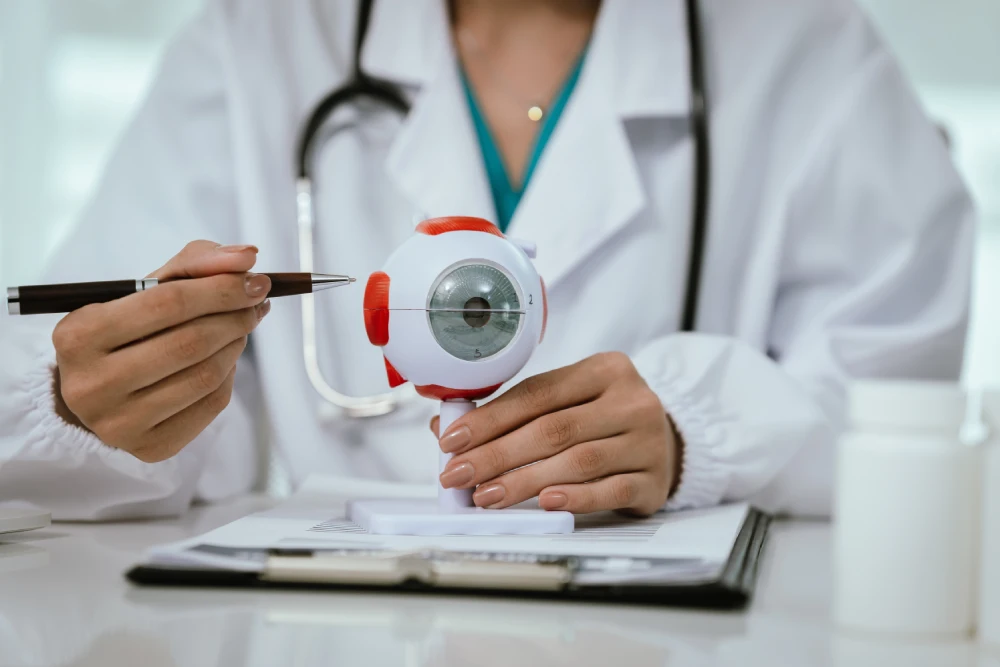
Cataract removal is intended to restore clearer vision by replacing the cloudy natural lens of your eye. If your vision later becomes hazy again, it can therefore be concerning, especially when the change feels similar to the symptoms you had before surgery.
In most cases, this does not mean that your cataract has returned. Understanding why vision can change after cataract surgery can help you recognise what may be happening and when it is worth having your eyes checked.
Posterior Capsule Opacification After Cataract Surgery
A cataract itself cannot return after surgery. During the procedure, the cloudy natural lens is removed and replaced with a clear artificial lens known as an intraocular lens, or IOL. Because the natural lens is no longer present, the same cataract cannot grow back.
However, the transparent capsule that originally surrounded the natural lens is retained during surgery to help support the artificial lens. Over time, cells can grow or accumulate on the back of this capsule, making it cloudy. This is known as posterior capsule opacification (PCO). PCO is sometimes referred to as a ‘secondary cataract’ because it can cause similar visual symptoms, but it is not a new cataract.

When Posterior Capsule Opacification Can Develop
There is no fixed timeline for PCO. It may become noticeable months after cataract surgery or develop several years later.
Your vision may initially be clear following surgery before gradually becoming hazier. As the capsule becomes more opaque, it can interfere with the passage of light through the eye and reduce the quality of your vision.
Signs of Posterior Capsule Opacification
PCO tends to cause a gradual change in the quality of your vision. You may notice:
- Blurred, cloudy or hazy vision
- Increased glare from bright lights
- Halos around lights
- Reduced contrast
- Colours appearing less vivid
- Difficulty reading or seeing in low-light conditions
PCO can develop in one or both eyes, and each eye may be affected at a different time.
Other Causes of Cloudy Vision After Cataract Surgery
Cloudy or blurred vision after cataract surgery is not always caused by PCO. An eye examination can assess the artificial lens and surrounding capsule while checking for other eye conditions that may be affecting your sight.
Possible causes include:
- Changes in your glasses prescription
- Dry eye
- Glaucoma
- Retinal conditions
- Problems affecting the artificial lens
Distinguishing between these causes is important because the appropriate treatment depends on what is responsible for the change in your vision.
Keeping Your Vision Clear After Cataract Treatment
Changes in your eyesight can occur even after you have recovered well from cataract surgery. Paying attention to how your vision changes over time and continuing with appropriate eye checks can help identify concerns that may otherwise become more noticeable in everyday life.
At our cataract clinic in Singapore, patients are supported at different stages of their cataract care journey, from initial evaluation through to post-surgery follow-up. Senior Consultant Ophthalmologist Dr Leo Seo Wei provides personalised assessment and guidance based on your eye health and visual needs. Contact the clinic to arrange a consultation if you have concerns about your vision following cataract removal.
FAQs About Vision After Cataract Surgery
Can your eyesight change years after cataract surgery?
Your eyesight can change even when the result of your cataract surgery remains stable. Age-related changes, retinal conditions, glaucoma or changes in your refractive error may affect vision later in life. This is one reason ongoing eye checks remain important.
Will you still need glasses after cataract surgery?
You may still need glasses after cataract surgery depending on the type of intraocular lens selected, your prescription and your visual needs. Some people use glasses mainly for reading or particular distances, while others may require them for a wider range of activities.
Can you develop cataracts in both eyes at different times?
Cataracts commonly affect both eyes, but they do not necessarily progress at the same rate. You may therefore need cataract surgery on one eye before the other. Having surgery on one eye does not prevent a cataract from progressing in the other natural lens.
Can the artificial lens move after cataract surgery?
An intraocular lens is designed to remain securely positioned within the eye. Lens movement or dislocation is uncommon but can occur, sometimes long after surgery. Symptoms such as a sudden change in vision, double vision or seeing the edge of the artificial lens should be assessed by an ophthalmologist.
Will you still need regular eye checks after cataract surgery?
Cataract surgery removes the cataract but does not prevent other eye conditions from developing. Regular examinations allow your ophthalmologist to monitor other aspects of your eye health, particularly as you get older.
Why do colours look brighter after cataract surgery?
Cataracts can gradually make colours appear duller or more yellow as the natural lens becomes cloudy. After the lens is replaced with a clear IOL, colours may initially appear noticeably brighter or different. Your perception generally adjusts over time.
Our Singapore Cataract Surgeon

Dr Leo Seo Wei
Senior Consultant Ophthalmologist
Dr Leo Seo Wei is a Senior Consultant Ophthalmologist in Singapore with over 20 years of experience in cataract treatment. Her career spans extensive practice and specialised training in Singapore and the United States, where she received numerous awards and valuable stints in ophthalmology.
Well recognised for her expertise in cataract, strabismus, myopia control and paediatric ophthalmology, Dr Leo has been invited to teach, speak and conduct live surgical demonstrations at international conferences and masterclasses across Asia-Pacific, Europe and the USA. She has also published numerous peer-reviewed articles, reflecting her commitment to advancing ophthalmic care and sharing knowledge worldwide.


#10-04 Mount Elizabeth Medical Centre, 3 Mount Elizabeth, Singapore 228510
Tel : +65 6737 8366
Emergency hotline: +65 9668 2229
Email : info@drleoeyespecialist.com