


5 Myths About Cataracts & Cataract Surgery

MBBS (S'pore), MRCSEd (Ophth, UK), MMed (Ophth, S'pore), FRCSEd (Ophth, UK), FAMS (Ophth, S'pore)
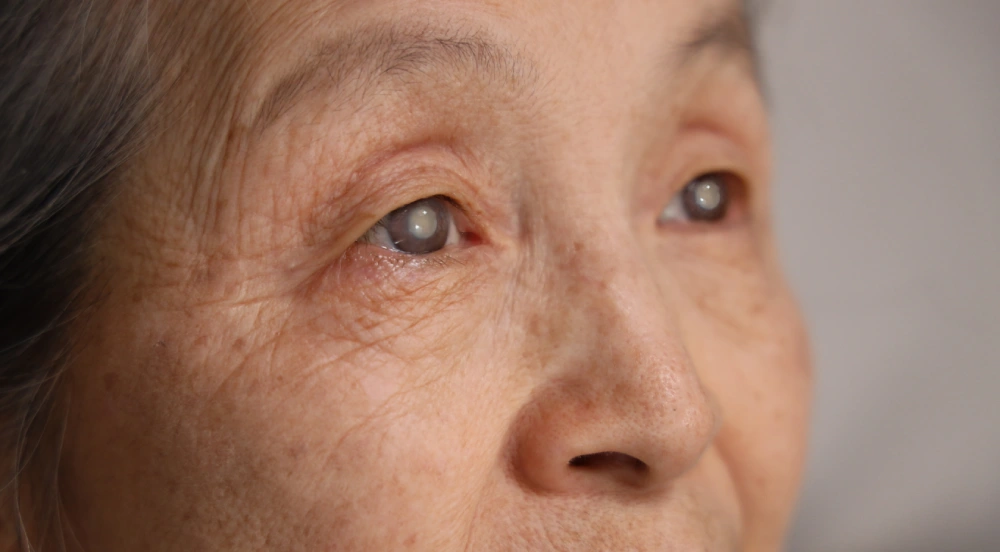
Cataracts are one of the most common causes of gradual vision loss, yet misconceptions about the condition and its treatment remain common. Understanding the facts behind these five common myths about cataracts and cataract surgery can help you make informed decisions about your eye health and know when it may be appropriate to seek assessment from an opthamologist.
Myth #1: Cataracts Only Affect Older Adults
Many people believe cataracts only develop in elderly individuals, leading younger adults to overlook early symptoms or delay eye examinations. However, cataracts can develop at different ages.
Although age-related cataracts are the most common type, cataracts can also occur in younger adults due to diabetes, previous eye injuries, long-term steroid use, certain medical conditions or from birth (congenital cataracts).
While ageing remains the greatest risk factor, cataracts develop at different rates for different people. If you notice gradual changes in your vision or have recognised risk factors, an eye examination can determine whether cataracts or another eye condition may be responsible.
Myth #2: Cataracts Should Only Be Removed When They Are ‘Mature’
Some people believe they should wait until cataracts become severe before considering cataract surgery. In reality, the decision is based on how much your vision is affecting your daily life rather than how “mature” the cataract appears.
Modern cataract surgery is no longer based on waiting for cataracts to become ‘ripe’ or mature. Instead, ophthalmologists recommend surgery when cataracts begin interfering with daily activities such as driving, reading, working or recognising faces.
Delaying surgery unnecessarily may make vision increasingly difficult and, in some cases, allow the cataract to become denser, which can make surgery more technically challenging. An ophthalmologist can determine the most appropriate timing for cataract removal based on your vision, symptoms and lifestyle needs.
Myth #3: Cataract Surgery Is Painful and Requires a Long Recovery
The thought of eye surgery often leads people to worry about pain; hospital stays and a lengthy recovery. Modern cataract surgery is usually performed as a quick day procedure and is generally well tolerated.
Cataract surgery is one of the most commonly performed procedures worldwide and is typically carried out as a day procedure using local anaesthetic eye drops, allowing most patients to remain comfortable throughout the operation.
There are different types of cataract surgery available, and your ophthalmologist will recommend the most suitable approach based on your eye health, cataract severity and visual goals.
Many patients notice clearer vision within one to two days, although complete healing may take several weeks. Your ophthalmologist will provide eye drops and post-operative instructions to support recovery and minimise complications.
Myth #4: Cataracts Can Grow Back After Surgery
Some patients worry that removing a cataract does not provide a permanent solution because the cataract may return. While vision can become cloudy again, cataracts do not return.
Once a cataract has been removed, it cannot grow back because the cloudy natural lens has been replaced with a clear artificial intraocular lens (IOL).
Some patients develop posterior capsule opacification (PCO), where the thin membrane supporting the artificial lens becomes cloudy months or years after surgery. This is not a new cataract and can usually be treated with a quick outpatient YAG laser capsulotomy.
Myth #5: Cataract Surgery Means You Will Never Need Glasses Again
Many people expect cataract surgery to eliminate their need for glasses completely. In reality, whether you still need spectacles afterwards depends on the type of intraocular lens (IOL) chosen and your individual visual needs.
Cataract surgery often improves vision significantly, but your need for glasses afterwards varies according to your eyes and the type of intraocular lens (IOL) selected.
Some patients achieve excellent distance vision with standard monofocal lenses but still require reading glasses. Others may be suitable candidates for premium lenses that reduce dependence on spectacles, although no lens can guarantee complete freedom from glasses for every individual.
Get Personalised Cataract Care with Dr Leo Seo Wei
Misinformation about cataracts and cataract surgery can cause unnecessary anxiety and may delay treatment that may improve your vision and quality of life. Understanding the facts behind these common myths helps you make informed decisions and recognise when it is time to seek assessment from an ophthalmologist.
At Dr Leo Cataract Clinic, we are committed to supporting patients at every stage of their cataract care journey. Our senior consultant ophthalmologist, Dr Leo Seo Wei, provides comprehensive cataract assessments and evidence-based treatment plans tailored to each patient's condition and visual goals. If you are experiencing blurred vision, increasing glare, difficulty reading or other symptoms that may be related to cataracts, book an appointment for a comprehensive eye assessment and personalised advice on the most appropriate treatment options.
FAQs About Common Cataract Myths and Cataract Surgery
Can cataracts affect colour perception before I notice blurred vision?
Yes. In addition to causing blurred vision, cataracts can gradually make colours appear duller, faded or more yellow. As these changes develop gradually, many people do not notice them until they compare one eye with the other or notice the improvement after cataract surgery. A comprehensive eye examination can determine whether cataracts are responsible for these visual changes.
Can I have cataract surgery if I also have glaucoma or macular degeneration?
In many cases, yes. Having glaucoma, macular degeneration or another eye condition does not automatically prevent you from undergoing cataract surgery. However, your ophthalmologist will carefully assess your overall eye health, discuss how these conditions may influence your expected visual outcome and whether surgery is appropriate for you.
Will both eyes be operated on during the same cataract surgery?
No. For most patients, cataract surgery is performed on one eye at a time. This allows the first eye to heal, enables your ophthalmologist to assess the outcome and reduces the risk of complications affecting both eyes simultaneously. If both eyes require treatment, the second procedure is typically scheduled after the first eye has recovered sufficiently.
How soon can I travel after cataract surgery?
Many patients can travel within a few days after uncomplicated cataract surgery, although the exact timing depends on your recovery and travel plans. It is generally advisable to attend your scheduled follow-up appointments before travelling and avoid activities that could increase the risk of infection or eye injury during the early healing period. Your ophthalmologist can advise when it is safe based on your individual recovery.
How long does an artificial lens implanted during cataract surgery last?
Artificial intraocular lenses (IOLs) implanted during cataract surgery are designed to remain in the eye permanently and do not usually need replacement. Most people will keep the same lens for life. In rare situations, such as lens displacement or other complications, additional treatment may be required, but routine lens replacement is not part of standard cataract care.
Our Singapore Cataract Surgeon

Dr Leo Seo Wei
Senior Consultant Ophthalmologist
Dr Leo Seo Wei is a Senior Consultant Ophthalmologist in Singapore with over 20 years of experience in cataract treatment. Her career spans extensive practice and specialised training in Singapore and the United States, where she received numerous awards and valuable stints in ophthalmology.
Well recognised for her expertise in cataract, strabismus, myopia control and paediatric ophthalmology, Dr Leo has been invited to teach, speak and conduct live surgical demonstrations at international conferences and masterclasses across Asia-Pacific, Europe and the USA. She has also published numerous peer-reviewed articles, reflecting her commitment to advancing ophthalmic care and sharing knowledge worldwide.


#10-04 Mount Elizabeth Medical Centre, 3 Mount Elizabeth, Singapore 228510
Tel : +65 6737 8366
Emergency hotline: +65 9668 2229
Email : info@drleoeyespecialist.com