


Cataract Surgery Recovery: What You Need to Know

MBBS (S'pore), MRCSEd (Ophth, UK), MMed (Ophth, S'pore), FRCSEd (Ophth, UK), FAMS (Ophth, S'pore)
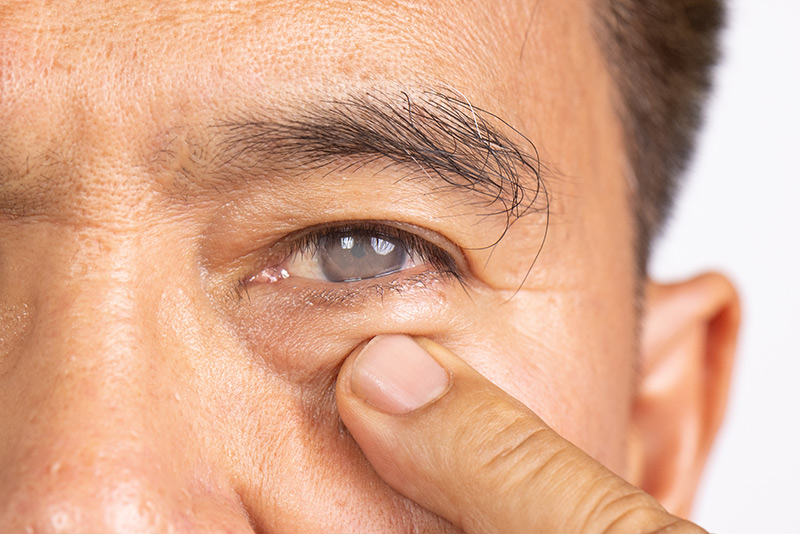
Undergoing cataract surgery can bring both relief and uncertainty. While many patients look forward to clearer vision after treatment, it is also common to have questions about what recovery will feel like and how long healing may take.
Understanding the recovery process may help patients feel more prepared during recovery after surgery. Knowing what symptoms are expected, what precautions to follow and when to seek medical advice can support a smoother recovery experience.
What Happens Immediately After Cataract Surgery?
Cataract surgery is usually performed as a day procedure, which means most patients can return home on the same day after a short recovery period. Because vision may still be blurry immediately after surgery, patients are generally advised to arrange for someone to accompany them home.
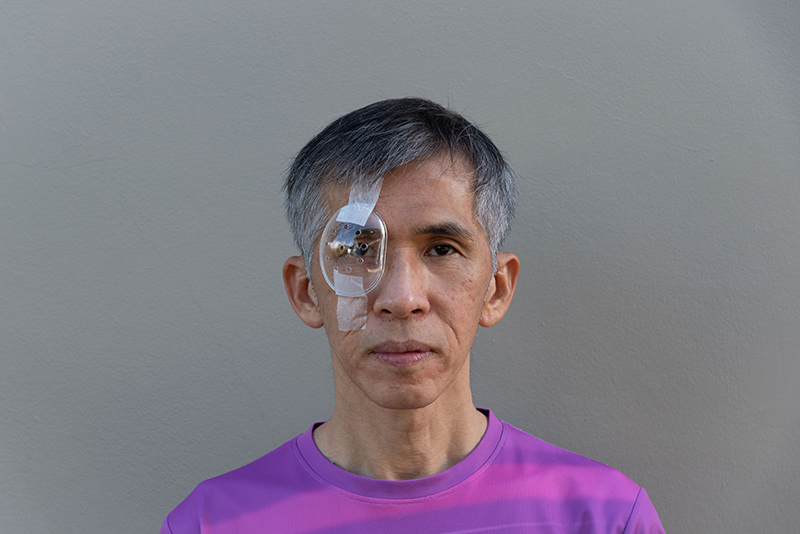
After the procedure, the eye may be covered with a protective shield to help prevent accidental rubbing or pressure during the early healing phase. Patients are also usually prescribed medicated eye drops to reduce inflammation and lower the risk of infection.
Most patients can resume light daily activities shortly after surgery, although strenuous activity and heavy lifting are typically avoided during the initial recovery period. Follow-up appointments are also important to monitor healing and assess visual recovery after cataract surgery.
What Symptoms Are Normal During Recovery?
During cataract surgery recovery, the eye may take time to adjust and heal fully. Mild symptoms are common during the early recovery period and often improve gradually over the following days or weeks.
Some symptoms that are commonly experienced after cataract surgery include:
- Mild redness in the eye
- Temporary blurry or fluctuating vision
- Light sensitivity
- Mild irritation or itching
- A gritty sensation or feeling that something is in the eye
- Watery eyes
Because the eye is still healing, vision may not stabilise immediately after surgery. Some patients may notice that colours appear brighter or clearer once the cataract has been removed.
However, certain symptoms should not be ignored. Patients should seek prompt medical attention if they experience:
- Severe or worsening eye pain
- Sudden vision loss
- Increasing redness or swelling
- Flashes of light or a sudden increase in floaters
- Persistent nausea or headache associated with eye pain
What Precautions Should Be Taken After Cataract Surgery?
Following post-operative care instructions carefully may help support healing and reduce the risk of complications after cataract surgery. Although recovery is often smooth, the eye still requires time to heal during the first few weeks after the procedure.
Patients are usually advised to:
- Use prescribed eye drops as directed
- Avoid rubbing or pressing on the eye
- Wear the protective eye shield during sleep if instructed
- Keep water, soap and shampoo out of the eye during the early recovery period
- Avoid strenuous exercise and heavy lifting temporarily
- Wear sunglasses outdoors if the eyes feel sensitive to light
Most patients can gradually resume normal daily activities, although recovery timelines may vary between individuals. Activities such as driving should only resume when vision has improved sufficiently and the ophthalmologist confirms it is safe to do so.
How Long Does Cataract Surgery Recovery Take?
Many patients notice improvement in vision within the first few days after cataract surgery, although vision may continue to sharpen gradually over the following weeks. During early recovery, vision may fluctuate slightly as the eye adjusts and heals.
For most patients, everyday activities can be resumed relatively quickly after surgery. However, complete healing and visual stabilisation may take several weeks, particularly if both eyes are treated separately or if other eye conditions are present.
Once healing is complete, some patients may also require updated glasses prescriptions depending on the type of intraocular lens used and their remaining visual needs after surgery.
Supporting a Smooth Recovery After Cataract Surgery
Recovery after cataract surgery is usually gradual, and most patients experience steady improvement in vision as the eye heals over time. Following post-operative care instructions carefully and attending scheduled follow-up appointments may help support proper healing and reduce the risk of complications.
Dr Leo Adult & Paediatric Eye Specialist is a cataract surgery clinic in Singapore that combines modern surgical technology with comprehensive post-operative care to support patients throughout every stage of cataract treatment and recovery. Clinical care is led by Dr Leo Seo Wei, a Senior Consultant Ophthalmologist with extensive experience in cataract management and surgery, including advanced lens implant options and bladeless cataract surgery techniques. If you are considering cataract surgery or would like personalised advice about recovery and post-operative care, schedule a consultation with us to discuss your visual needs and treatment options.
FAQs About Cataract Surgery Recovery
Can both eyes recover at different speeds after cataract surgery?
Yes. Healing and visual recovery may vary slightly between eyes, especially if surgeries are performed on separate dates or if underlying eye conditions are present.
Why does my vision fluctuate during recovery?
Vision may fluctuate temporarily as swelling settles and the eye adjusts to the new intraocular lens during healing.
Will the operated eye look different after cataract surgery?
Most patients do not notice visible cosmetic changes to the eye after surgery, aside from temporary mild redness during the recovery period.
Our Singapore Cataract Surgeon

Dr Leo Seo Wei
Senior Consultant Ophthalmologist
Dr Leo Seo Wei is a Senior Consultant Ophthalmologist in Singapore with over 20 years of experience in cataract treatment. Her career spans extensive practice and specialised training in Singapore and the United States, where she received numerous awards and valuable stints in ophthalmology.
Well recognised for her expertise in cataract, strabismus, myopia control and paediatric ophthalmology, Dr Leo has been invited to teach, speak and conduct live surgical demonstrations at international conferences and masterclasses across Asia-Pacific, Europe and the USA. She has also published numerous peer-reviewed articles, reflecting her commitment to advancing ophthalmic care and sharing knowledge worldwide.


#10-04 Mount Elizabeth Medical Centre, 3 Mount Elizabeth, Singapore 228510
Tel : +65 6737 8366
Emergency hotline: +65 9668 2229
Email : info@drleoeyespecialist.com