


How Can You Tell If You Have Cataracts?

MBBS (S'pore), MRCSEd (Ophth, UK), MMed (Ophth, S'pore), FRCSEd (Ophth, UK), FAMS (Ophth, S'pore)
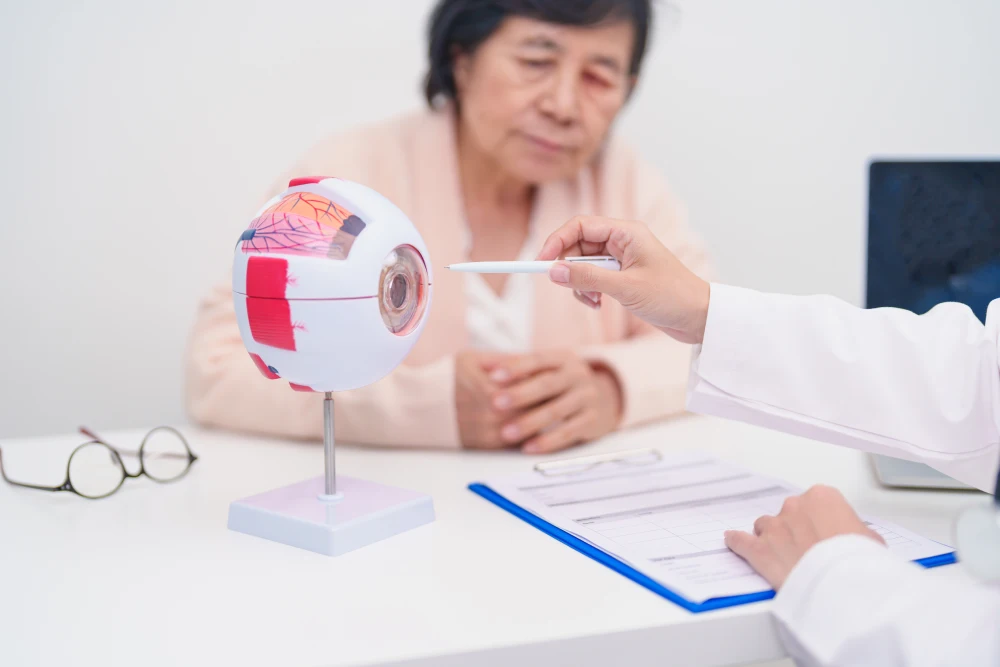
Cataracts often develop so gradually that you may not realise your eyesight has changed. At first, you might adapt to subtle changes without thinking about it, such as moving closer to what you are reading, choosing brighter lighting or avoiding driving after dark.
Because these changes can become part of your everyday routine, it is easy to attribute them to tired eyes, an outdated glasses prescription or simply getting older. Understanding how cataracts can affect your eyesight can help you recognise when changes in your vision deserve closer attention.
What Happens to Your Vision When Cataracts Develop?
A cataract occurs when the normally clear lens inside your eye becomes cloudy. The lens helps focus light onto the retina, allowing you to see a clear image. As cloudiness develops, light is no longer transmitted through the lens as effectively, gradually affecting the quality of your vision.
Cataracts are particularly common with ageing, although they can also develop earlier due to factors such as eye injury, diabetes, high myopia or prolonged use of certain medications, including steroids. ecause cataracts usually develop gradually, you may adapt to changes in your vision without immediately realising how much your vision has changed.

What Are the Early Signs of Cataracts?
Cataract symptoms can vary depending on where the cloudiness develops within the lens and how advanced it has become. Several changes are particularly common.
Blurred or Cloudy Vision
Your vision may begin to look hazy, blurred or less defined, almost as though you are looking through a fogged window. This can make it harder to read small print, recognise faces from a distance or see fine details clearly.
Increased Sensitivity to Glare
Bright sunlight, headlights and indoor lighting may become increasingly uncomfortable. You may also notice halos around lights, particularly when driving at night.
Difficulty Seeing in Low Light
Cataracts reduce the amount and quality of light reaching the retina. As a result, you may find it increasingly difficult to see in dim restaurants, walk safely in poorly lit areas or drive after dark.
Colours Appearing Faded or Yellow
Changes in colour perception can be subtle. Colours may appear less vivid, while whites can take on a yellowish or brownish tint as the cataract becomes more advanced.
Frequent Changes to Your Glasses Prescription
Changes in your glasses prescription may sometimes occur as cataracts develop, particularly in the earlier stages. Updating your prescription may improve your vision temporarily, but it cannot remove the clouding within the natural lens. If your vision remains blurred or unclear despite an updated prescription, an eye examination can help determine whether cataracts or another eye condition is contributing to the problem.
How Do You Know It Is Cataracts and Not Another Eye Problem?
Symptoms alone cannot confirm that you have cataracts. Blurred vision, glare and reduced visual clarity can also occur with refractive errors and other eye conditions, so an eye examination is needed to identify the cause.
Your ophthalmologist may check your visual acuity and use a slit lamp to examine the lens and other structures within the eye. Your pupils may also be dilated for a more detailed examination. Together, these assessments help determine whether a cataract is affecting your vision, whether another eye condition may be present and whether monitoring or cataract surgery may eventually be appropriate.
Cataract Assessment and Care With Dr Leo Seo Wei
Knowing what is behind a change in your eyesight can make it easier to decide what to do next. A proper assessment can establish whether cataracts are present, how much they are affecting your vision and whether monitoring or treatment is appropriate at this stage.
At our cataract clinic in Singapore, Senior Consultant Ophthalmologist Dr Leo Seo Wei provides cataract care spanning diagnosis, ongoing monitoring and treatment planning, with recommendations guided by your visual needs, daily activities and lifestyle.
If changes in your vision are becoming more noticeable or you are concerned about cataracts, schedule a consultation for a comprehensive eye assessment and personalised recommendations on the next steps.
Frequently Asked Questions (FAQs) About Cataract Symptoms
Can you see a cataract by looking in the mirror?
Early cataracts are generally not something you can reliably identify yourself. An advanced cataract may eventually make the pupil appear greyish or whitish, but diagnosis should be made through a proper eye examination.
Do cataracts always get worse?
Age-related cataracts can progress over time, although the rate varies considerably between individuals. Some remain mild for years, while others progress more quickly and begin affecting daily activities sooner. Not every cataract requires treatment, and the need for surgery is generally based on how much it affects your vision and daily activities.
Can cataracts come back after cataract surgery?
The cataract itself cannot return because the cloudy natural lens is removed during surgery. However, the capsule supporting the artificial lens can become cloudy later, causing vision to become hazy again. This can usually be treated with a laser procedure.
Can younger adults develop cataracts?
Yes. Although cataracts are more strongly associated with ageing, younger adults can develop them. Diabetes, previous eye trauma, prolonged steroid use and certain eye conditions can increase the likelihood of earlier cataract formation.
Our Singapore Cataract Surgeon

Dr Leo Seo Wei
Senior Consultant Ophthalmologist
Dr Leo Seo Wei is a Senior Consultant Ophthalmologist in Singapore with over 20 years of experience in cataract treatment. Her career spans extensive practice and specialised training in Singapore and the United States, where she received numerous awards and valuable stints in ophthalmology.
Well recognised for her expertise in cataract, strabismus, myopia control and paediatric ophthalmology, Dr Leo has been invited to teach, speak and conduct live surgical demonstrations at international conferences and masterclasses across Asia-Pacific, Europe and the USA. She has also published numerous peer-reviewed articles, reflecting her commitment to advancing ophthalmic care and sharing knowledge worldwide.


#10-04 Mount Elizabeth Medical Centre, 3 Mount Elizabeth, Singapore 228510
Tel : +65 6737 8366
Emergency hotline: +65 9668 2229
Email : info@drleoeyespecialist.com